
Key takeaways
- Multichannel ecommerce helps you reach more customers by selling across multiple marketplaces, social platforms, and your own store.
- As you add channels, complexity increases, especially for shipping, inventory accuracy, and fulfillment.
- Descartes ecommerce logistics solutions give you a unified backend to scale without losing control.
- With the right tools, sellers can grow order volume 20–40% without hiring more staff or sacrificing accuracy.
If you’re still running an ecommerce business on a single sales channel, like your own Shopify store or Amazon storefront, you’re likely leaving opportunities for growth on the table.
Multichannel ecommerce lets you reach more customers by selling across multiple platforms: Amazon, Walmart, eBay, Etsy, and more. But while expanding sounds great, many sellers hesitate for one big reason:
“How do I manage it all without losing control of shipping costs, order accuracy, or fulfillment speed?”
That’s a smart concern. The good news? With the right tools, you can expand your reach without expanding your logistics headaches.
What is multichannel ecommerce?
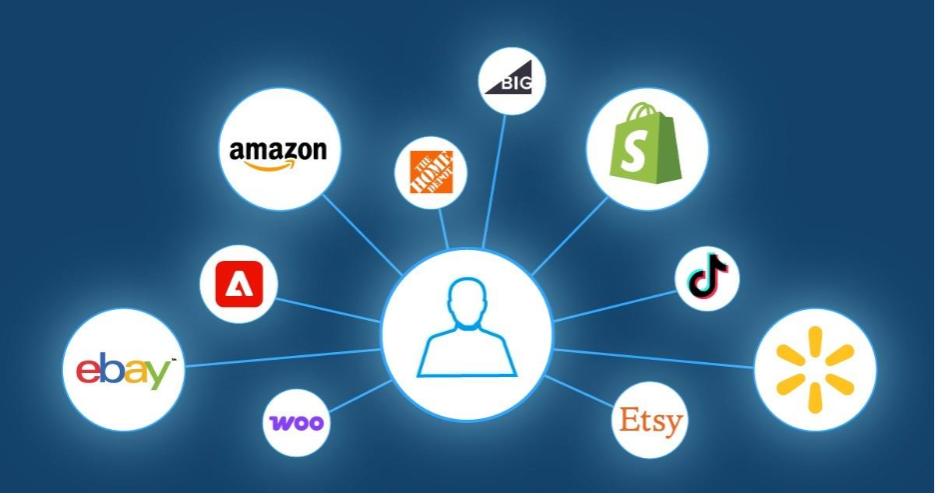
Multichannel ecommerce means selling your products on multiple online channels simultaneously. That could include:
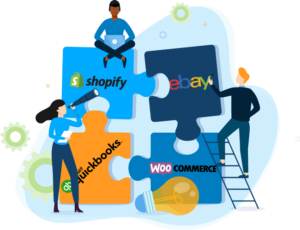
- Marketplaces like Amazon, Walmart, and eBay
- Your own ecommerce store (Shopify, BigCommerce, WooCommerce, etc.)
- Social commerce platforms like TikTok and Instagram Shops
Learn more in Multichannel Ecommerce: A Comprehensive Guide to Selling More Online
Why expand to more sales channels?
According to Entrepreneur.com, “Selling on multiple channels is a low-cost, low-barrier-to-entry way to give your ecommerce business more revenue potential, more reach and greater agility to stay on top of buying trends. At the same time, the multichannel model reduces risk through diversification, helping minimize potential losses caused by marketplace volatility and evolving consumer behavior” (How to Sell More Online in 2026, Without the Chaos, 2026).
In short, moving from single channel to multichannel ecommerce is a proven strategy to:
- Increase visibility
- Reach more buyers
- Diversify your revenue streams
- Reduce dependency on any one platform
It also gives you more flexibility to adapt quickly when buyer behavior shifts. Think of it as a set of levers that you can adjust. For example, turn up the marketing on TikTok when your industry starts trending. Or run a flash sale during Prime Day on your Amazon channel while keeping your Shopify site at normal pricing.
The challenge: more channels, more complexity
The flip side to multichannel selling is added complexity. Here’s where many sellers run into trouble: managing orders, inventory, and shipping across channels quickly gets complicated.
Industry expert Johannes Panzer cautions, “The multichannel growth promise of more reach, higher conversion, and healthier margins is highly appealing, but only if operations don’t descend into chaos when new channels are added.
Ecommerce businesses still relying on manual processes to support multiple sales channels are courting disaster, from overselling, picking errors and fulfillment bottlenecks to failure to comply with channel-based seller requirements and poor decision-making due to siloed data and a lack of operational visibility” (How to Sell More Online in 2026, Without the Chaos, 2026).
Without the right tech, you may be stuck:
- Manually updating listings and syncing inventory across platforms
- Copy-pasting shipping info to print labels
- Paying too much for shipping
- Losing time (and customer trust) due to late or incorrect deliveries
Descartes can help you solve these issues with purpose-built technology.
Scale smart with Descartes
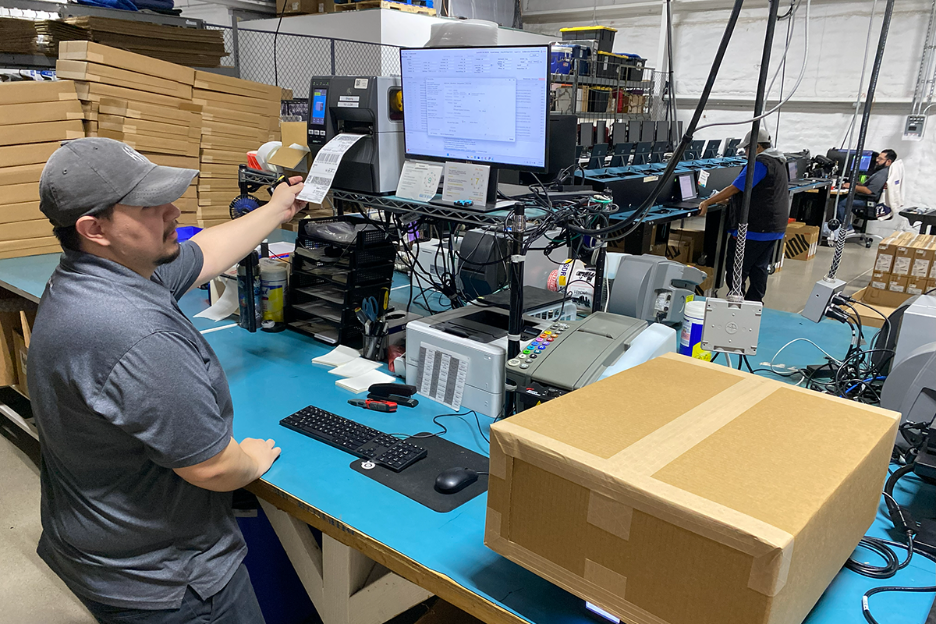
To grow efficiently, you need a unified backend that keeps operations streamlined, even as you add more sales channels. To meet this need, Descartes offers a suite of ecommerce logistics solutions built for all stages of growth.
When it comes to multichannel ecommerce solutions, Descartes products are the gold standard. Especially for Amazon sellers.
We offer much more than just multichannel shipping software. With Descartes ecommerce operations software, you can:
Centralize order and inventory management
Prevent overselling, update stock levels, and fulfill orders across multiple marketplaces, social commerce platforms, and your website, all from one place.
Integrate and automate fulfillment workflows
Auto-create shipping labels in seconds and send tracking updates back to customers. Automate rate shopping across carriers to control shipping costs without sacrificing speed.
Scale fulfillment for your growing business
Add new sales channels without adding operational chaos. Keep your warehouse team lean, accurate, and scalable to keep pace with rising order volumes.
Real impact: grow sales without growing costs

With Descartes, small to midsized ecommerce businesses can:
- Add 3–5 new sales channels in weeks
- Increase order volume by 20–40% without hiring more staff
- Maintain 99%+ order accuracy and on-time shipping rates
- Lower average shipping costs through built-in rate shopping
It’s a cost-effective path to scale—without the complexity.
Ready to reach more customers?
If you’ve been holding back from multichannel ecommerce because of operational concerns, now is the time to take the next step with confidence. Descartes helps you scale smart.
Learn how to get started in our guide Multichannel Ecommerce: A Comprehensive Guide to Selling More Online.
It answers questions like:
- How to sell on multiple marketplaces
- What’s the best way to add more sales channels?
- What do sellers typically overlook when adding more sales channels?
- How do I keep listings and product information updated on all channels?
- What’s the best way to manage inventory and orders for multiple sales channels?
- How can I fulfill more orders without increasing headcount?
- How does Descartes support multichannel ecommerce growth?
Multichannel ecommerce FAQs
How do I know when my business is ready for multichannel ecommerce?
A good sign you’re ready is when your primary sales channel is performing well, and you’re hitting a ceiling in reach or growth. If your operations are stable, your fulfillment workflows are predictable, and you have the bandwidth to support increased demand, then expanding into additional channels can accelerate growth without putting extra strain on your team.
What should I consider before choosing which new sales channels to add?
Choose channels based on where your ideal customers already shop. Look at product fit, category demand, fees, competition, and how each platform handles fulfillment expectations. Instead of adding everything at once, start with the channels that align with your strengths, whether that’s fast shipping, unique products, or competitive pricing.
How can I prevent fulfillment bottlenecks as I add more channels?
Before expanding, review your fulfillment workflow for steps that slow you down today. Many bottlenecks come from manual tasks like label creation or inventory updates. Automating repetitive work and connecting your systems helps ensure new order volume doesn’t overwhelm your team.
What risks should sellers watch out for when expanding to multiple channels?
Common risks include overextending your resources, inconsistent product data, pricing conflicts, and fulfillment delays during peak periods. Planning ahead (especially for inventory, listings, and shipping rules) helps reduce mistakes. A connected backend reduces these risks by keeping your operations aligned across every channel.
Do all channels need to use the same pricing or product strategy?
Not at all. Many sellers adapt pricing or bundles for each marketplace based on competition, fees, and buyer expectations. What matters most is keeping your product data accurate everywhere. A centralized system helps ensure customers get consistent information while giving you the flexibility to tailor your approach by channel.
How long does it usually take to add a new sales channel?
Most small to midsized sellers can launch a new channel in days or weeks, depending on how prepared their listings, images, and operational workflows are. With the right tools, syncing inventory, connecting shipping, and configuring automations is fast. The fastest way to add new sales channels is using a multichannel listing management system.